Log In / Register

 Canadian owned & operated. Products proudly made in Ontario, Canada >>
Canadian owned & operated. Products proudly made in Ontario, Canada >>
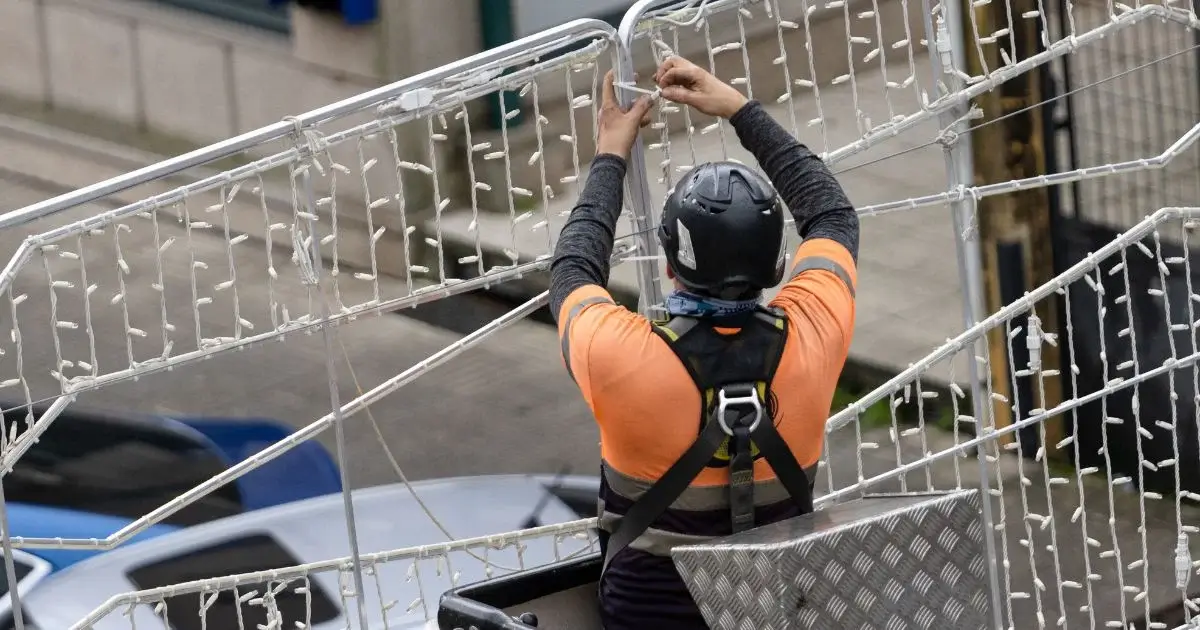
Municipal light programs, winter festivals, and BIA holiday displays bring communities together, but they also push outdoor decor to its limits. Moisture, cold, storms, and freeze-thaw cycles create safety issues, especially if displays are not properly prepared for winter.
For municipalities, BIAs, and property managers the goal is to keep displays shining bright all season while protecting both public spaces and long-term investments into decor.
This is why winter display maintenance is so important. With a structured and proactive approach, you can reduce outages, prevent mid-season repairs, and ensure that everything remains safe and functional. Let’s discuss winter safety and maintenance for holiday events and displays.
Outdoor displays face a lot of pressure once the temperatures drop. Wind gusts strains mounting hardware, snow adds weight to arches and other displays, and moisture can damage wiring and electronics.
This is why it’s so important to have properly engineered displays, ones such as LED Pole Mounts, Sphere Trees, or the Tabora Walk-Through Present Box.
Even these, although they are built to withstand the gruelling conditions of the Canadian winter, can still benefit from winter display maintenance. This will help minimize downtime while improving public safety. Let’s discuss a winter-ready approach to your displays.
Before it snows, inspect everything to identify weak points before issues arise. Going through an in-depth holiday display safety inspection makes sure that avoidable failures are prevented.
Start by looking at the integrity of the wiring on all components, making sure the connections are good and that the insulation is intact. Then, inspect the mounting hardware for warping, rust, or loose fasteners, especially on walk-through features, pole mounts, and arches.
Next, make sure that all transformer housings are intact and sealed so that no moisture can get in, and that the power availability meets the load requirements - especially if you plan on making new additions to the holiday display.
Check cold-rated extension cords, stock up on spare bulbs, and replace old or damaged wiring. By integrating these steps into your outdoor Christmas display prep, you are creating a dependable foundation that will require minimal maintenance and oversight throughout the winter season.
Installation is crucial because this determines how well your displays will perform during harsh winter weather.
A good winter-safe holiday installation process incorporates elements such as ensuring that cables are elevated to prevent snow burial, making sure connecters are waterproof to stop moisture intrusion, and loops that relieve stress and stop certain fixtures from pulling on others.
Outdoor displays, particularly arches, pole mounts, and items such as the Frosty Frame, should always be anchored down according to winter requirements. This means using reinforcing base plates, anti-slip materials under structures, and making sure that the distribution of weight is adequate for snow accumulation.
Your outdoor Christmas decor installation phase also needs to account for wind. For example, LED Pole Mounts from Classic Displays use wind-resistant hardware designed to resist Canada’s extreme winter conditions.
Due to moisture freezing inside of connectors, electrical issues are quite common during the winter - brittle cords can also fail, plus GFCIs may trip unexpectedly. Effective winter electrical safety for holiday displays starts with choosing the right equipment designed for this kind of weather.
Cold-rated cords are designed to remain flexible even in freezing conditions, thus preventing them from cracking and deteriorating. Also, IP-rated fixtures are important as they reduce the risk of water intrusion - which are ideal when combined with low-voltage LED systems to further limit electrical hazards.
Overloaded circuits can cause failures, so you have to make precise pre-season load calculations. For example, although Market Lights and Drape Lights are lightweight, they can still add a good deal of total wattage, especially on long streets or plazas - therefore making proper load distribution essential.
On that note, freeze-thaw cycles can also loosen connections, which can cause anything from flickering lights to full outages. Using cold-rated outdoor lighting ensures that the components can withstand temperature fluctuations during the harshest months.
.jpg)
When it comes to your outdoor decor, snow, ice, and freeze-thaw cycles are among the biggest threats. Heavy snow can weigh down arches, stress overloaded cables, and bend poles. Also, ice buildup can lead to cracking, moisture intrusion, and strain on fasteners.
Being familiar with how snow load on holiday displays affects safety is therefore important for preventing structural failures. For items such as the CN Train Custom Display, routinely brush the snow off of them to prevent structural overload.
Managing ice is important as well, because freeze-thaw cycles may loosen mounting hardware or distort bases. Therefore, you should engage in a thorough ice management for outdoor decor routine, which includes clearing snow and ice around bases to prevent tripping hazards, removing ice from exposed connectors, inspecting sagging lines and adjusting tension, and re-tightening anchor points after storms.
By keeping an eye on snow accumulation and ice buildup, you can reduce safety risks to the public while drastically increasing the lifespan and longevity of your displays.
Holiday festivals generally run for weeks, with daily usage exposing your displays to constant stress. Having a standardised holiday event maintenance checklist helps you catch issues early.
Your checklist should include:
Also, make sure to perform mid-season storm assessments. After snow, hail, or freezing rain, inspect all connectors, structural supports, and overhead lines. Some quick Christmas lighting troubleshooting can prevent small problems from turning into outages during peak visiting hours.
Although holiday decor is our main focus, public amenities, such as benches, planters, bins, and bike racks, are also affected by winter weather, and they therefore also require attention and maintenance for functionality and public safety.
A structured winter site furniture maintenance routine helps reduce risks in plazas, business districts, and parks.
One of the major concerns during winter is corrosion, because although salt is great for de-icing, it also eats away at finish and hardware, especially on metal components. So, check for cracked seating surfaces, ice around high-traffic areas, and loose fasteners, as these can all cause problems.
You should also have slip-resistant surfaces present, and these should be refreshed whenever heavy foot-traffic occurs.
For instance, the site furniture collection from Classic Displays is designed to withstand harsh winter conditions while requiring minimal maintenance. Following best outdoor furniture winter safety practices helps your public spaces remain safe, accessible, and appealing, in spite of the weather.
For managing energy costs during cold conditions, LED lights tend to work best. Energy efficient lighting technology, such as timers, LED bulbs, and dusk-to-dawn timers helps reduce power draw while improving overall reliability.
Interesting to note is that cold temperatures tend to increase LED efficiency, but that said, proper shielding is still necessary to prevent moisture intrusion and to protect wiring from salt.
Modern LED holiday lighting systems let BIAs and municipalities create large and visually impactful displays without massive operational costs - timers stop displays from running all night, and photocell sensors make sure that display lighting only activates when needed.
These are just some of the features that help keep your displays bright and running well while also reducing energy costs and supporting sustainability goals.

When the holiday season comes to an end, proper takedown helps ensure that your displays are ready to go the next year - with minimal maintenance and repairs needed. Skipping the steps listed below means corroded and cracked components, as well as imminent electrical failures.
Also, large structures should be disassembled according to the manufacturer guidelines in order to prevent stress on joints and warping. Implementing good off-season lighting maintenance helps protect your investment by minimizing maintenance and improving longevity.
The fact is that even with good planning, winter can still result in unexpected challenges. This is why a simple but effective response plan is essential, as it can help reduce downtime when things go wrong.
Your team should be knowledgeable on the following issues:
Mainly, your team needs to know when they can attempt onsite repairs and when it’s time to call in professionals for help, or even remove components altogether for safety purposes. Some quick winter lighting troubleshooting helps improve uptime, and that’s what draws in the crowds.
By following a well-organised winter maintenance program, you can keep your displays running smoothly and safely all season long. Combine strategic planning, cold weather installation practices, daily monitoring, and careful storage to maximize your investment and minimize last-minute problems.
For BIAs, municipalities, and property managers preparing for the harsh winter ahead, the right approach improves public safety, reduces downtime, and preserves the longevity of your decor. For winter-ready decor, energy-efficient LED displays, and durable onsite furniture built to withstand the Canadian Winter, browse the full catalogue at Classic Displays.