Log In / Register

 Canadian owned & operated. Products proudly made in Ontario, Canada >>
Canadian owned & operated. Products proudly made in Ontario, Canada >>
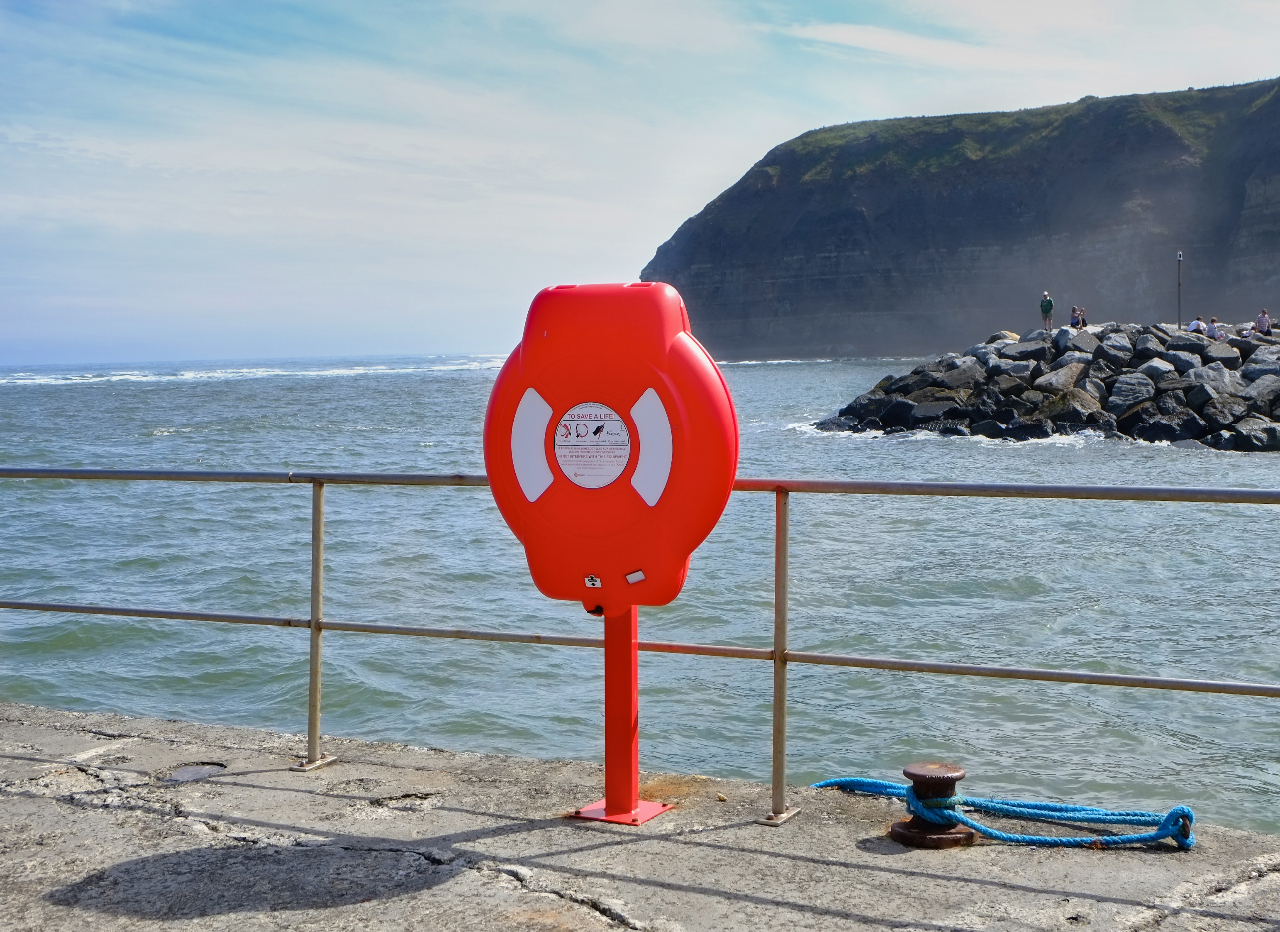
Although public water safety is often treated as a public-facing issue, associated with marinas, parks, and beaches, the reality is that water safety infrastructure is a shared challenge. It spans municipal spaces and industrial environments alike - anywhere people and water intersect. The risk profile looks similar across all areas.
Retention ponds at refineries, cooling ponds at power stations, docks at marine terminals, and shoreline facilities at ports all carry the same life-safety exposure as public waterfronts. Cold water does not distinguish between a contractor and park visitor - and this means that safety needs to be considered on all fronts.
Just like parks and beaches, municipalities, refineries, ports, and energy operators also face the same seasonal pressure during the spring and summer. This is when tourists and seasonal activity ramps up, along with contractors arriving, intensified site usage, and a higher number of employees.
That means the window to plan, procure, and install water safety infrastructure is limited and predictable. The organizations that perform best are those that plan well before the peak season, with water safety being treated as critical infrastructure, not as a simple accessory. By planning early, organizations can ensure that proper water safety equipment and procedures are in place.
Seasonal changes affect all water-adjacent sites regardless of the sector. Exposure rises with the temperature, and this means that increased foot traffic, seasonal staff, and short-term contractors all introduce variability into otherwise stable environments. People have different training levels, familiarity with site hazards, and experience, leading to less predictable response times.
Cold-water shock is a major factor early in the season - a slip into a retention pond or harbor in April can be just as dangerous as this occurring during the winter. Industrial sites also face added complexity as the tempo of the season increases, with pots handling more traffic, refineries ramping up maintenance programs, and utilities moving to high-demand periods.
Moreover, shared zones become another pressure point - where workers, visitors, and sometimes the public move through the same space. Seasonal water risk is greatly amplified because there is no single group that owns the hazard. This is why industrial waterfront safety planning increasingly mirrors municipal approaches.
Although the language and responsibility might change, the underlying risk does not. Municipalities operate under a public duty of care. Industrial operators manage compliance obligations tied to environmental health and safety, insurance requirements, and regulatory oversight.
This means that both are accountable for foreseeable hazards. However, in controlled environments, there may be the assumption that training and restricted access reduces the need for rescue equipment, but this is not the case. Auditors, insurers, and regulators expect to see workplace water safety infrastructure in place. For example, a clearly mounted life ring signals preparedness and it indicates that rescue is possible even before trained responders arrive.
Visible equipment matters during incident reviews, because when something goes wrong, documentation often first focuses on what lifesaving measures, such as liferings, were immediately available. This is why the duty of care in water safety increasingly includes fixed infrastructure, not just procedures.
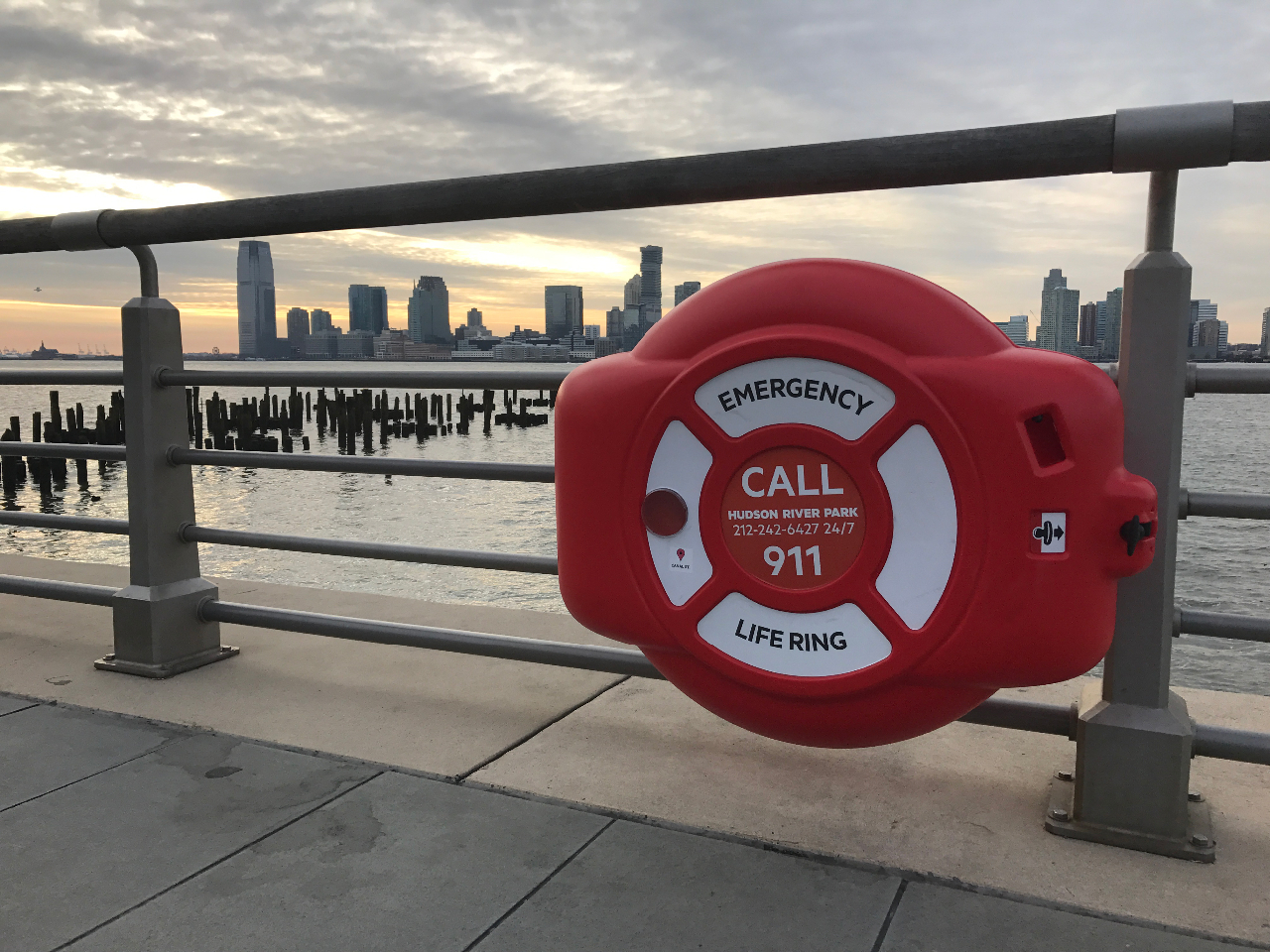
Large sites simply cannot rely on the assumption that trained responders will be nearby in the event of an emergency. Even facilities with well-trained personnel can have blind spots - created by scale, physical distance, and shift changes. In terms of water accidents, time-to-response is the number one most important factor.
Fixed water rescue equipment helps bridge this gap - a permanently installed life rings station allows the closest person to act immediately, even without training. Access designation is not relevant when it comes down to a split-second rescue effort. For this reason, industrial safety infrastructure increasingly mirrors best practices seen in municipal waterfronts.
Water safety equipment must be able to survive more than just weather. It also needs to be able to handle UV exposure, ice, saltwater, industrial debris, and frequent inspections. Also, in public spaces, vandalism and theft prevention are also priorities, whereas durability and inspection consistency matter more in controlled sites.
Furthermore, standardized placement also supports audits and training, because staff know what to expect when every dock edge, pond perimeter, or shoreline zone uses the same configuration. This is the exact logic behind marine safety equipment that is designed for long-term outdoor use, as well as outdoor water safety infrastructure that remains visible throughout the seasons.
Early season planning works best when it begins with alignment, not purchasing. February and March are ideal months to identify responsibilities, review past incidents, and clarify expectations across departments.
Ownership varies by organization. For instance, municipal parks and facilities teams often manage public waterfronts, with risk management and insurer teams influencing requirements.
Next, at locations such as refineries and energy facilities, environmental health and safety teams lead the conversation - with port authorities and terminal operators sitting at the intersection of all these roles.
So, the key here is coordination, because industrial safety water planning fails when it is siloed. These efforts must be combined across the board, because success comes when facilities, operations, and safety teams have the same understanding of the risks involved.
Across Canada and North America, this same planning model applies to a wide range of operators:
For all of these organizations, energy facility safety increasingly includes fixed water rescue points, such as lifering stations, as baseline expectations.
.jpg)
Once everything is aligned, April and May are the ideal months for solution planning - where intent turns into tangible protection.
Although water features can be different across beaches, ponds, basins, channels, docks, and everything in between, they all benefit from access to flotation and throw-rescue tools, and here, visibility matters for audits and inspections.
For instance, a clearly marked station with a water rescue buoy signals readiness. A great water safety tool on this front is the B-Line Water Rescue Buoy - it’s well-suited for docks, terminals, retention ponds, and waterfront-adjacent facilities, as it supports long-throw rescues without having to get in the water.
THe longevity of equipment often depends on protection, as exposure can lead to degradation. Moreover, inconsistent installations can lead to confusion, but, standardized stations reduce both of these risks.
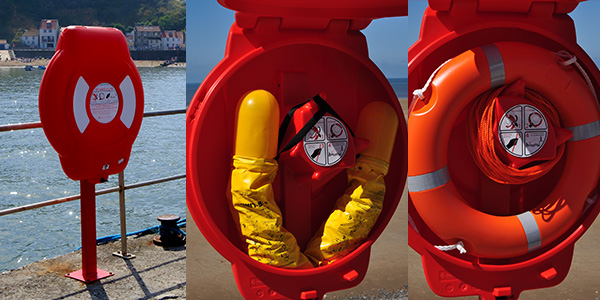
Something like the Guardian Lifebuoy Housing provides a durable enclosure that keeps flotation devices visible while protecting them from weather and tampering. Consistent housings are ideal for large or multi-site properties, as they are easily recognizable no matter the location, thus strengthening water safety stations.
Infrastructure must reduce operational burden, with fixed rescue equipment supporting audits without the need for additional staff.
For example, the Glasdon Lifebuoy Ring is a compliant buoyancy aid designed for marine and industrial environments.
It’s a classic lifering option that meets expectations across various regulatory frameworks and reinforces marine safety compliance when paired with proper placement and documentation.
Unfortunately, June is often the season where organizations realize that time has run out, because peak season narrows installation windows. This means that audits and inspections, or even worse, safety incidents, may occur before proper equipment is in place. By June, all systems should be in place.
Keep in mind that deployment works best as a system. You can pair the B-Line Water Rescue Buoy with Guardian Lifebuoy Housing to create a consistent and protected rescue point. This approach supports efficient water safety installation and smooth industrial safety deployment across sites.
Having proper water safety infrastructure in place provides industrial and municipal operators with long-term value.
Fixed infrastructure serves as passive protection, as once it is installed, it provides continuous protection without the need for added labor. Documented placement of lifering stations demonstrates proactive risk control.
Durability matters as well - because the longer this equipment lasts, the less the costs add up in the long run. Compliant equipment like the Glasdon Lifebuoy Ring supports long-term safety infrastructure and strengthens industrial risk management year after year.
The fact is that water safety risks exist everywhere people and the water come together. Whether it is municipal, industrial, refinery, or port sites, they all face the same narrow planning window and seasonal pressure.
Early action ensures maximum compliance, readiness, and visible protection for when activity peaks. From February through June, organizations can move from awareness to action, and with the right water safety infrastructure in place, sites can be properly prepared.
If you manage a municipal waterfront, port, refinery, or industrial facility, the time to plan is now. Contact Classic Displays to get critical water safety tools in place before incidents occur.
VIEW OUR ENTIRE WATER SAFETY COLLECTION