Log In / Register

 Canadian owned & operated. Products proudly made in Ontario, Canada >>
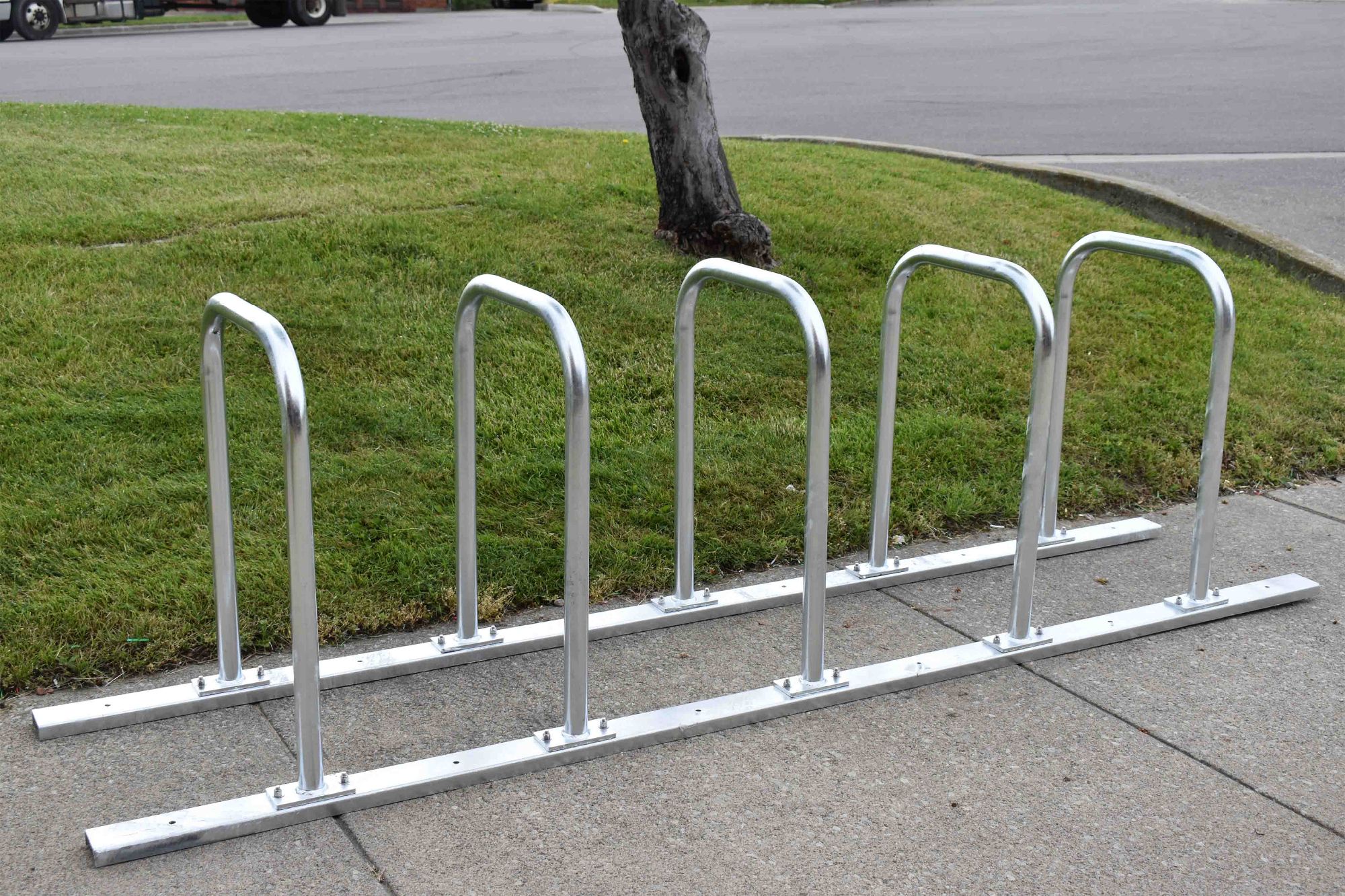
Choosing commercial bike racks in Canada involves much more than finding a design that looks good. Municipalities, BIAs, schools, property managers, developers, transit agencies, healthcare campuses and businesses need bike parking that works for users, fits the available space and stands up to long-term use.
A realistic bike rack buying guide should consider:
There isn’t a single rack that fits every project. Classic Displays offers commercial bike parking options ranging from individual racks to high-capacity rail systems and modular corrals.
Before comparing public bike racks, start with how the site will be used. A downtown sidewalk has different requirements than a university campus, condo, park, transit station or commercial plaza.
Ask:
Location and expected use should determine the bike parking solution. Choosing a rack first and making the site accommodate it can create capacity, security and circulation problems.
See Classic Displays' Commercial Bike Rack Guide for Cities, Schools and Businesses for more on matching racks to different environments.
Capacity is especially important for schools, campuses, transit facilities, recreation centres and residential developments. Buyers need to balance the number of bicycles they want to accommodate with the physical footprint available.
Options include:
The Modular Bike Corral is well suited to municipalities, BIAs, campuses and transit areas. A standard 22-foot vehicle parking space can be converted into protected parking for 14 bicycles, and modular sections allow capacity to expand.
The R-Rack Rail System, Axis Rack Rail System, and Arch Rack Rail System support organized, scalable installations. U-series options include the U20, U24, and U30 rail systems.
Where space is tight, the Stacker Bike Rack uses vertically offset parking to increase capacity within a smaller footprint. The Hiker Bike Rack and Hanger Bike Rack each accommodate seven bicycles.
Plan for future demand too. A six-space requirement can grow quickly as occupancy or cycling infrastructure expands.
A durable rack can still perform poorly if cyclists can’t secure bicycles easily. When comparing secure bike racks, consider what the user needs.
Look for:
APBP recommendations are also useful when specifying public bicycle parking. The R-Rack provides two points of contact with the frame and allows a U-lock to secure a wheel and part of the frame. Classic Displays lists it as APBP recommended.
The Crown Bike Rack is another APBP-recommended design with two frame contact points and secure U-lock use. The Arch Bike Rack, City Style Bike Ring, and H40 Bike Rack are also APBP recommended.
.png)
For outdoor bike racks in Canada, buyers need to consider the rack's full lifecycle. Outdoor parking may face:
Galvanized steel, powder-coated steel, stainless steel and corrosion-resistant hardware can help reduce maintenance and replacement requirements.
Many Classic Displays racks are available in galvanized, powder-coated and/or stainless-steel configurations. The R-Rack and Crown are also available in A316 marine-grade stainless steel for projects where corrosion resistance is especially important.
The Waterfront Bike Rack, H40, Arch and Stacker are among the options worth considering when durability and appearance both matter. Numerous Classic Displays racks are also Products of Canada, which may matter to municipalities, public-sector purchasers and organizations prioritizing Canadian-made site furniture.

Installation should be considered early when modular bike racks and rail systems are specified for new developments, streetscape projects, campuses or public-space renovations.
Buyers should determine:
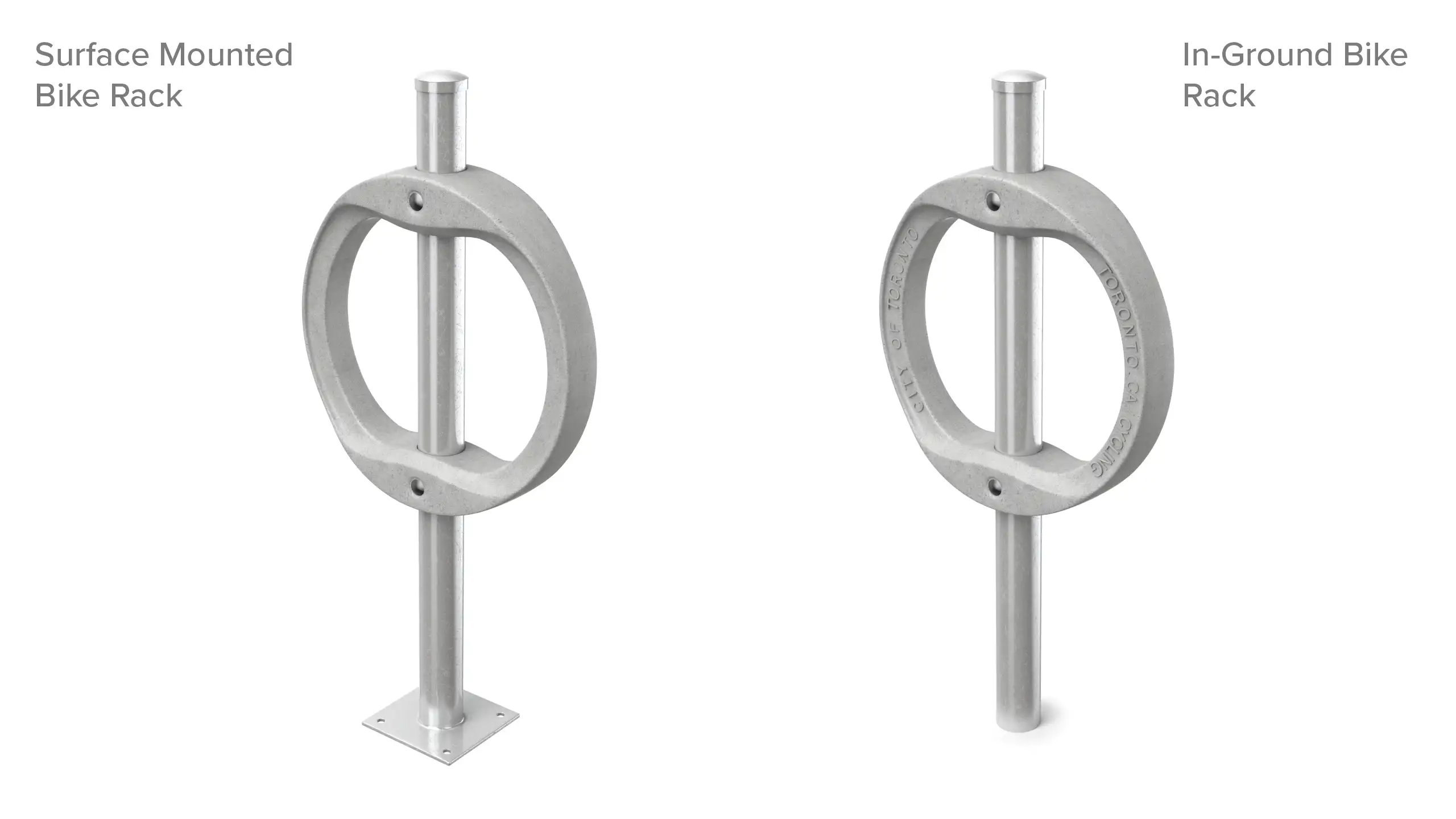
The R-Rack and Crown are available with surface-mount and in-ground configurations. Rail systems organize several racks on a common rail and allow additional systems to be installed as demand grows. The Modular Bike Corral is another practical choice for a larger defined parking area with expansion potential.
These factors matter especially to landscape architects, contractors, developers and municipal planners specifying racks before installation. Municipal purchasers can also review Spring Planning: Using Year-End Budgets for Municipal Installations.
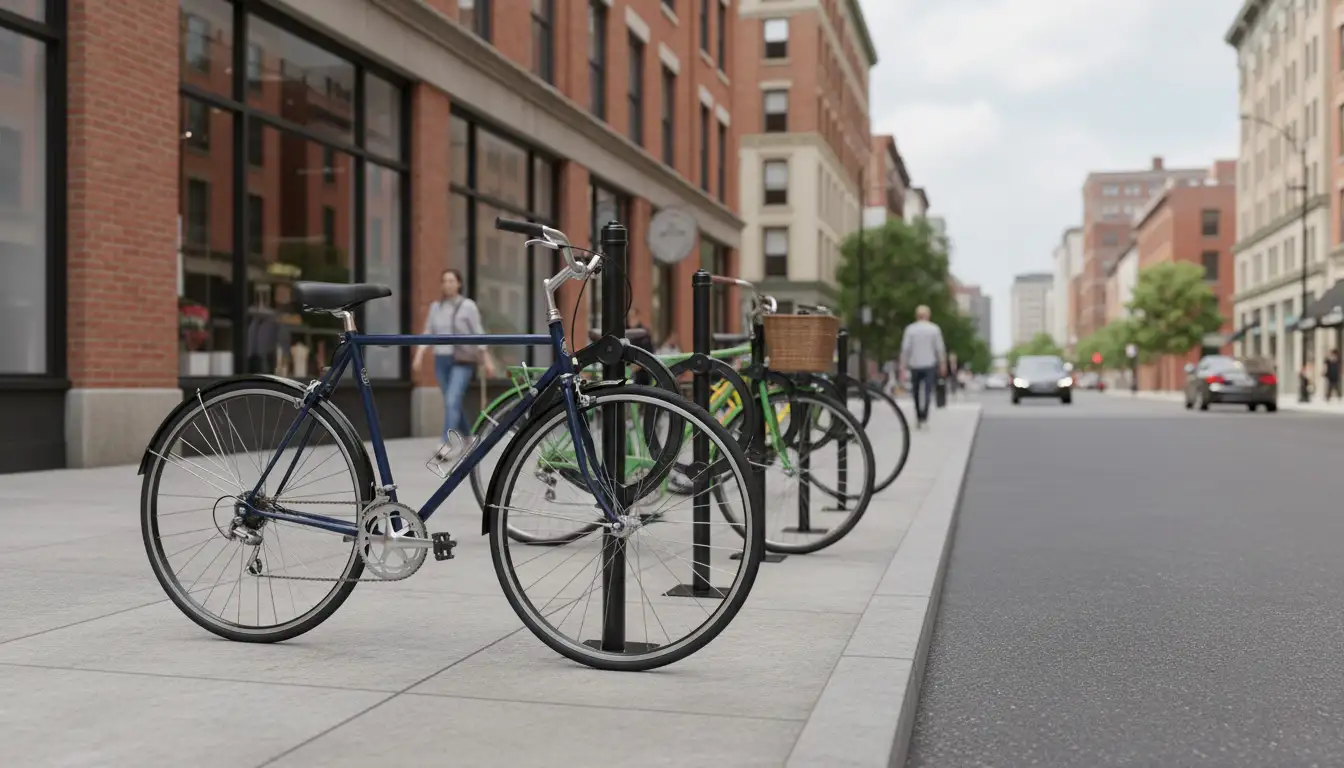
Bike racks are increasingly part of streetscape and landscape design. In downtown districts, commercial developments, hotels, campuses and parks, buyers may need parking that fits together with architecture and other site furniture.
Consider:
Classic Displays offers several architectural bike racks for projects where appearance is important. Options include the York Bike Ring, Metro Bike Ring, Axis Bike Rack, Niagara Bike Rack, and Waterfront Bike Rack.
The Waterfront is positioned as both a functional rack and an architectural feature for retail environments, parks and streetscapes. Depending on the model, powder-coated finishes, stainless steel and custom panels may also be available.

Different buyers may evaluate the same products, but their priorities can vary considerably.
For bike racks for municipalities, priorities should include:
Suitable options include the Modular Bike Corral, R-Rack Rail System, Hiker, Stacker, Crown, Metro Bike Ring, York Bike Ring, and City Style Bike Ring. These can serve parks, downtown streets, recreation centres, libraries, transit areas and other public facilities.
These locations may see many cyclists arrive within short periods, making capacity and organization especially important.
Priorities include:
The Stacker, Hiker, Hanger, U24, and U30 rail systems, R-Rack Rail System and Modular Bike Corral all suit this type of need.
For broader site planning, see Site Furniture for Safer, More Functional Schools & Universities and Why Hospital Outdoor Spaces Need Thoughtful Site Furniture.
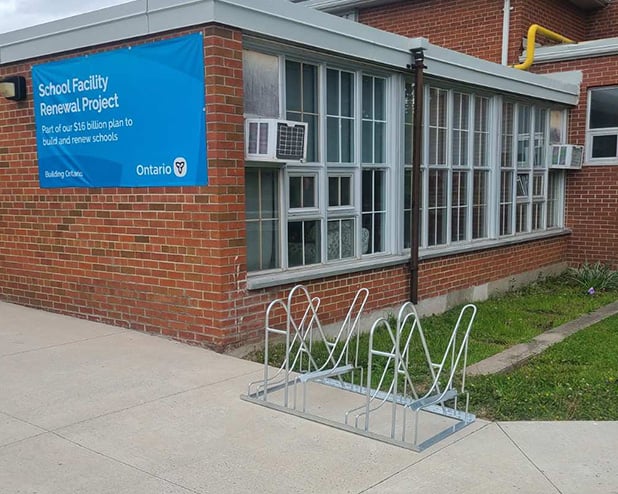
For condos, apartments, mixed-use properties, office buildings, and new landscape projects, priorities often include:
Suitable options include the Axis Rack Rail System, Arch Rack Rail System, H40, Waterfront, and Crown.
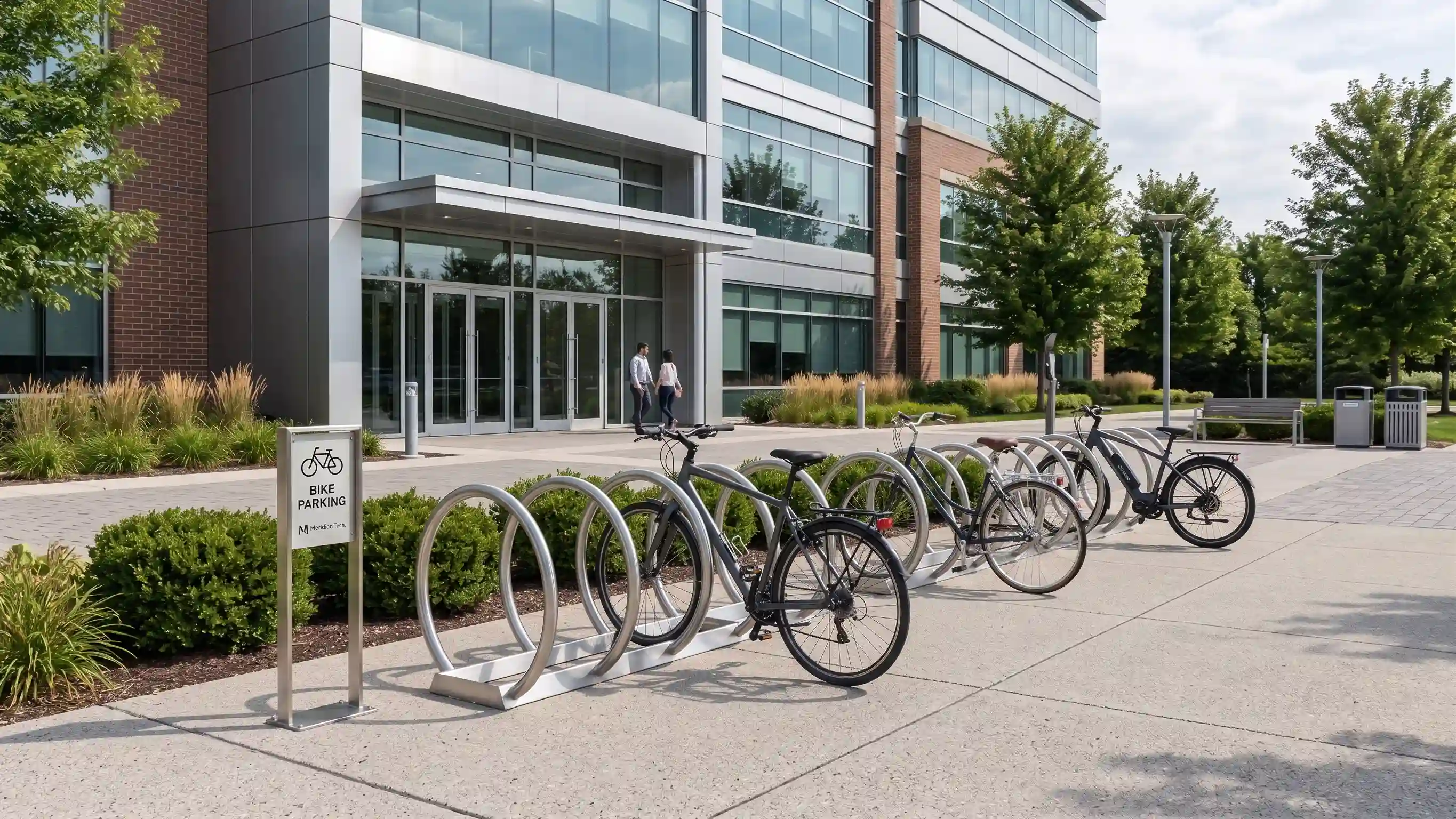
Visitor-oriented properties need parking that is convenient and suitable for prominent locations.
Priorities include:
The Waterfront, Niagara, York, and Metro options fit these requirements well. Busy destinations and event areas may also benefit from the higher capacity of a Modular Bike Corral.

Before ordering commercial bike racks in Canada, use this checklist:
Answering these questions first makes product comparisons much easier.
The right commercial bike parking solution depends on the project. A downtown BIA may prioritize architectural design, while a university may need high capacity and efficient use of space. A condo developer may focus on security and durability, while a municipality may need all of these factors together.
Classic Displays offers individual two-bike racks, decorative and architectural designs, high-capacity racks, rail-mounted systems, space-saving parking and modular corrals. The Classic Bike Repair Station can also complement bicycle parking at campuses, transit areas and public facilities.
By starting with the site, users, capacity, security, materials and future growth, buyers can choose a solution that remains practical long term.
See Classic Displays' complete bike rack collection or speak with the team about the best bike parking solution for a specific property, streetscape or public-space project.


Cycling infrastructure isn't just a niche consideration for schools, campuses, municipalities and commercial developments. All over Canada, more people are cycling to school, work, parks, shopping districts, and public spaces. This means that there's a growing demand for reliable commercial bike racks.
Well-designed bike parking solutions improve sustainability initiatives, accessibility, and visitor experience. They also help prevent blocked entrances, cluttered sidewalks, and bikes being locked through trees or railings. In busy public places, poorly planned bike parking quickly becomes a maintenance and safety issue.
The fact is that the right public bike racks do more than hold bicycles, because they also support active transportation goals, reduce maintenance, and improve organization, all while contributing to the overall appearance of a streetscape or property.
Bike racks aren't just utility items. They play an important role in sustainability initiatives, urban planning, accessibility, and overall property usability across both public and commercial spaces.
First, businesses, schools, cities, and more are investing heavily into cycling infrastructure as active and sustainable transportation becomes a larger part of urban planning. Installing municipal bike racks is considered a standard part of creating walkable and accessible public spaces.
Schools and campuses are also seeing higher demand for bike racks as students increasingly cycle to class. This means that they require secure bike parking to support their healthier transportation habits while also reducing vehicle congestion.
For businesses, adding bike racks for businesses creates a more welcoming environment for both visitors and employees. Cycling amenities help support sustainability branding, improve convenience, and help properties feel much more accessible and modern.
Without proper secure bike parking, bicycles often end up chained to entrances, fences, handrails, and signs. This blocks pedestrian traffic, increases trip hazards, and creates clutter.
This is why dedicated bike racks for commercial properties are important, as they help organize parking areas while protecting entrances and sidewalks from obstruction. They also help reduce accidental property damage caused by bikes that are improperly parked or locked. From downtown streetscapes to schools, organized bike parking helps create a safer, cleaner, and more professional looking environment.
There are several factors to consider before choosing a specific commercial bike rack for your needs.
A big mistake that many make when planning is underestimating demand. Effective bike rack systems should always account for peak usage times, proper spacing between bicycles, and future growth.
The fact is that overcrowded layouts can make bike racks difficult to use and also increase the risks of bikes scratching or damaging each other. Larger campuses, properties, and parks benefit from scalable bike storage racks that allow for additional parking to be added over time.
Not all bike racks provide the same level of security, with good racks supporting both wheel and frame locking to reduce theft risk. The unfortunate reality is that many decorative bike racks prioritize appearance over functionality, which makes bikes difficult to secure properly. Commercial geometry is essential for true secure bike rack parking to prevent theft. Durable heavy duty bike racks also resist vandalism, tampering, and long-term wear in high traffic public spaces.
Canadian weather is a major challenge for outdoor infrastructure, including bike racks. Snow, road salt, rain, freeze-thaw cycles, and humidity all damage low quality materials. This is why it's important to get weather resistant bike racks that are built from powder coated or stainless steel, as they offer far better long-term durability.
Powder coating helps resist corrosion and fading, while stainless steel performs very well in harsh climates and coastal environments. Choosing commercial grade finishes is important when investing in long term infrastructure like bike racks for Canada.
When it comes to adoption, ease of use plays a major role. If bike racks are cramped, awkward, or difficult to lock too, cyclists might avoid using them. Well-designed public bike racks support multiple bicycle frame styles and sizes while also maintaining proper pedestrian clearance. Clear layouts and intuitive spacing help improve overall urban bike parking flow in busy public areas.
There are many different types of bike racks out there, and they all serve different aesthetic and operational purposes.
Hoop and ring bike racks feature minimalist designs that are very popular as they combine durability, simplicity, and strong locking capability. Hoop and ring racks work well in downtown streetscapes, modern developments, and commercial plazas where clean aesthetics make a difference. They also support secure frame locking while maintaining a low visual footprint. This makes them ideal outdoor bike racks in urban environments. Featured products include the H35 Bike Rack, H40 Bike Rack, City Style Bike Rings, and York Bike Ring.

The inverted U is one of the most widely recommended commercial outdoor bike racks due to its affordability, functionality, and ease of use. This type of bike rack is very easy to install, requires minimal maintenance, and provides great locking support. They're often used as bike racks for parks, schools, campuses, and commercial developments due to their versatility and reliability. They also work quite well for high turnover environments where usability matters. Recommended products include the U24 Bike Rack, U20 Rack Rail System, and U24 Rack Rail System.

Architectural locks combine placemaking with functionality. Many commercial developments and cities now use artistic public bike racks to reinforce branding, create more visually engaging public spaces, and improve aesthetics. These designs are common in downtown revitalization projects as well as mixed-use developments where infrastructure contributes to the overall identity of the streetscape. Some of the best artistic and architectural bike racks from Classic Displays include the Ergo Bike Rack, Triangle Bike Rack, Axis Bike Rack, and Niagara Bike Rack.
We then have high-capacity bike rack systems, such as the Stacker, R-Rack Rail System, Arch Rack Rail System, and Hiker Bike Rack. Large facilities require scalable bike rack systems that are capable of handling high cycling volumes. Parks, transit hubs, schools, and campuses greatly benefit from organized layouts that maximize parking capacity within a limited space.
Different environments require different approaches to bike parking, with a downtown sidewalk having different requirements than a recreational park.
Downtown environments need balance between durability, aesthetics, and pedestrian flow. Successful downtown bike parking installations should always integrate naturally into the surrounding streetscape while maintaining ease of use. Recommended products include the Metro Bike Ring, York Bike Ring, and City Style Ring.
Schools and campuses need high-capacity layouts that can handle concentrated traffic during arrival and dismissal periods. This means that effective bike racks for schools must prioritize durability, visibility, and ease of supervision. Well planned school bike parking solutions help reduce congestion near entrances while improving campus organization. Some of the best products include the U24 Rack Rail System, Stacker, and Hiker Bike Rack.
Installing bike racks for businesses helps improve convenience for both visitors and employees. These amenities also support wellness initiatives while helping commercial spaces feel more accessible and modern. For retail properties and mixed-use developments, quality bike racks for commercial properties contribute to higher usability while simultaneously reinforcing sustainability focused branding. Consider the Triangle Bike Rack, Axis Bike Rack, and U24 Bike Rack.
Commercial properties can include office buildings, business parks, mixed-use developments, and industrial facilities, which means that bike parking requirements can vary considerably. When planning bike racks for these properties, consider:
Properties with higher employee demand may benefit from organized rail systems, while individual architectural racks can work well near office and visitor entrances.
Condominiums and apartment buildings need bike parking that serves both residents who may cycle every day and visitors who only need short-term parking. In higher-density residential developments, making efficient use of available space is often one of the biggest considerations. Property managers and developers should consider:
The Stacker can help maximize bike parking within a smaller footprint, while the R-Rack Rail System provides an organized and scalable option. Individual architectural racks can also be positioned near entrances for visitors and shorter stays.
Hospitals, clinics, long-term care facilities, medical offices, and other healthcare properties may need to serve employees, patients, visitors, and contractors throughout the day. This creates several different bike parking needs within the same property. Important considerations for healthcare facilities include:
Higher-capacity options such as the R-Rack Rail System, U24 Rack Rail System, and Hiker Bike Rack can help organize busy parking areas. The H40 Bike Rack can also provide an architectural option for more visible patient and visitor areas.
Retail plazas and shopping centres generally need bike parking that is visible, convenient, and easy for customers to use. Since many retail visits are relatively short, placement can be just as important as total capacity. Retail property managers should consider:
Instead of placing all bike parking in one distant location, larger plazas may benefit from several smaller bike parking areas distributed throughout the property.
Architectural options such as the Axis Bike Rack, Niagara Bike Rack, York Bike Ring, and City Style Bike Ring can combine practical parking with the curb appeal expected in high-visibility commercial environments.
Libraries are community destinations used by students, families, employees, seniors, and other visitors throughout the day. Providing clearly visible public bike parking near library entrances can make cycling more convenient while helping prevent bicycles from being locked to railings, signs, trees, or other site features.
When planning bike racks for libraries, municipalities and facility managers should consider:
Depending on the size of the branch and available space, options can range from the Metro Bike Ring, York Bike Ring, and U24 Bike Rack to larger rail systems for busy community libraries.
Bike racks such as the H40 Bike Rack, Arch Rack Rail System, and H35 Bike Rack, are ideal for recreational areas and parks that require durable outdoor bike racks that can handle seasonal weather exposure and fluctuating usage patterns. Keep in mind that layouts should remain flexible enough to accommodate cyclists arriving from sports facilities, public gathering spaces, trails, and playgrounds. Reliable bike racks for parks also help maintain organization during peak periods.
Choosing the right bike rack is only half the process, because installation methods, visibility, and placement all affect durability, security, maintenance requirements, and long-term usability.
Choosing the right bike rack installation method depends greatly on traffic level, environment, and your overall long term maintenance goals. For instance, surface mounted racks help simplify replacement and maintenance while reducing installation complexity, whereas in-ground systems typically provide stronger tamper resistance and added performance.
Location is just as important as rack design, with effective secure bike parking being well-lit, visible, and positioned in areas that have natural pedestrian activity. Always avoid placement in poorly monitored areas or behind buildings.
Canadian weather can be very hard on outdoor infrastructure due to all of the snow, moisture, salt, and freeze-thaw cycles. All of these factors shorten the lifespan of poorly manufactured products. High quality bike racks have to feature corrosion resistant finishes that are designed specifically for outdoor use.
Units with galvanization or powder coating protect steel surfaces while also offering superior long-term resistance in harsh climates. Choose weather resistant bike racks because they reduce maintenance costs, extend product lifespan, and improve your overall return on investment. For property owners and municipalities investing in commercial site furniture for Canada, durability is always a top priority.
Bike locks are viewed as part of a broader streetscape design and placemaking strategy rather than just a piece of standalone infrastructure. Coordinated site furniture helps create stronger visual consistency while improving the experience of public spaces. Coordinating your bike rack site furniture with planters, benches, bollards, and waste receptacles creates visual consistency throughout public spaces.

The right commercial bike racks improve safety, accessibility, usability, and property appearance. Keep in mind that different environments require different solutions, from decorative downtown installations to high-capacity campus systems.
Investing in durable commercial outdoor bike racks that are built for Canadian climates helps reduce maintenance costs and improve long term performance. Even more importantly, strong cycling infrastructure supports sustainability initiatives and active transportation goals.
To find the right bike parking solutions for your municipality, view Classic Displays’ full collection of commercial bike racks.